
STORY YOUMISSED




The quiet of a suburban Chicago living room turned into a digital crime scene this March when a single phone call initiated a $69,000 heist.
It started with a simple notification on a television-watcher’s screen that seemed to come directly from Apple’s corporate headquarters.
Don’t let what happened to those prom girls happen to you—here is the warning every Chicagoan needs. [Read the latest on the Makeda Designs scandal here.]
The caller ID displayed the name “Apple,” a sophisticated trick known as spoofing that instantly lowered the victim’s guard.
A voice on the other end warned a local father that his private accounts were under attack and his property was at risk.
To “protect” his assets, the fake representative transferred the call to a man claiming to be an official with the United States government.
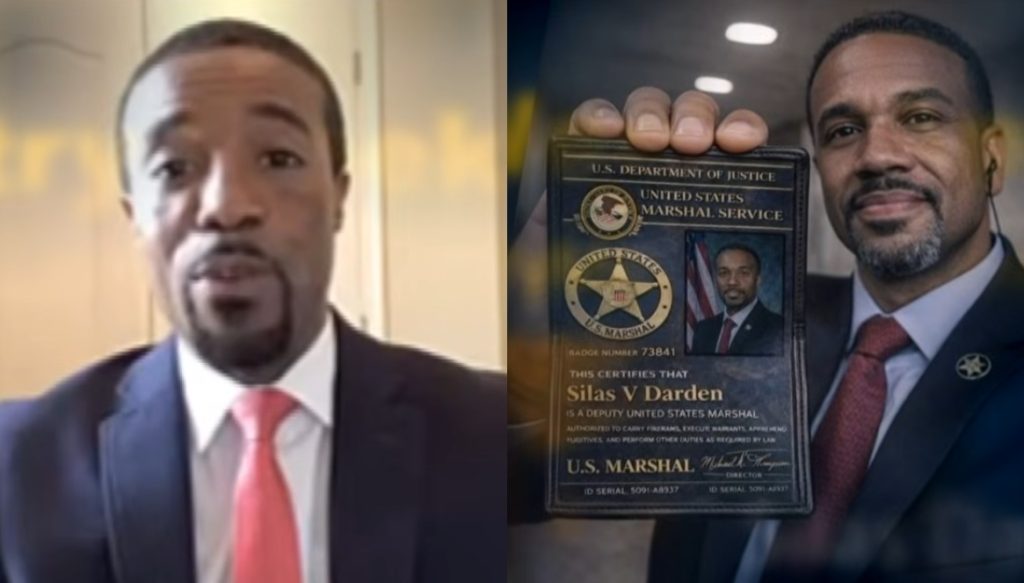
The imposter identified himself as Silas V. Darden, a name that belongs to a real, albeit retired, deputy director of the U.S. Marshals Service.
When the victim hesitated, the scammer texted a photo of a federal identification badge featuring Darden’s name and a professional portrait.
The image appeared flawless to the naked eye, but investigators later confirmed the “proof” was entirely generated by artificial intelligence.
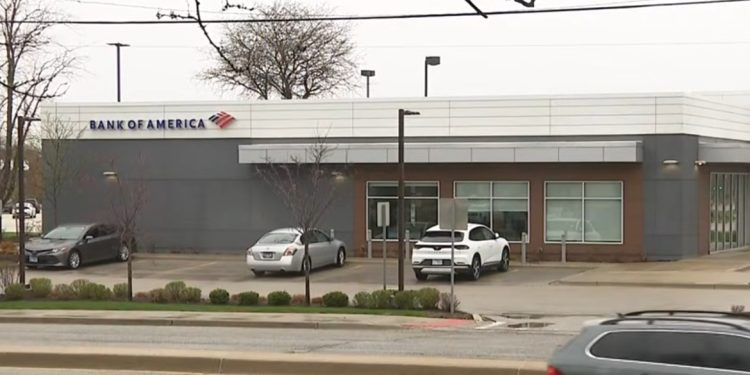
Convinced he was speaking to a hero of the law, the man rushed to a Bank of America branch in Woodridge to move his money to “safety.”
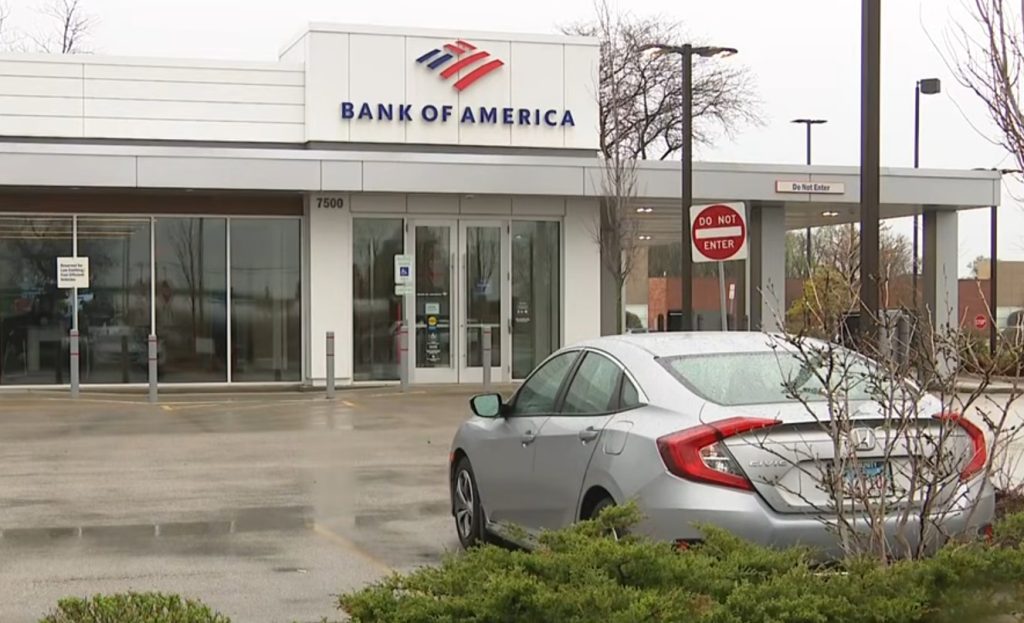
He felt a crushing sense of urgency, bypassing his usual bank branch because the wait time felt like a threat to his survival.
The victim requested a transfer of $24,000 into a Wells Fargo account he believed was set up in his own name.
Days later, following more high-pressure calls from the fake Marshal, he returned to the Woodridge branch to wire another $45,000.
A branch manager signed off on the second transaction, and the victim left the building believing his life savings were finally secure.
The reality hit with the force of a wrecking ball when he walked into a Wells Fargo branch to check on his new accounts.
Bank tellers informed him that the accounts were never in his name and had already been closed by the unknown owners.
In less than a week, $69,000—representing more than 40% of his total liquid cash savings—had vanished into the shadows of the internet.
His son, Tony, stood by his father as they realized that a lifetime of hard work in the Chicago suburbs had been undone by a few lines of AI code.
Federal law enforcement experts in Chicago are now sounding the alarm on these “AI-enabled” government impersonation ploys.
The FBI’s Internet Crime Report for 2025 reveals that complaints about these specific scams have surged to over 32,000 nationwide.
The financial damage is staggering, with Americans losing nearly $798 million to criminals posing as the IRS, Social Security, or local police.
AI technology has made these lies nearly impossible to detect because it can clone a captain’s voice or a Marshal’s face in seconds.
Scammers only need 15 to 20 seconds of audio from a public figure to create a convincing fake message that can fool even sophisticated ears.
Digital forensics experts warn that criminals are now moving beyond phone calls to deepfake videos that impersonate high-ranking officials like Marco Rubio.
Here is the truth: real federal agents will never call you to demand a wire transfer or ask you to move money into a secret account.
Law enforcement agencies do not conduct official business over text messages or request “dough” to be transferred via digital waivers.
If you receive a photo of a badge, look for distorted fingers, awkward facial shadows, or strange phrasing in the text—these are the “tells” of AI.
The FBI suggests that if a caller acts with extreme urgency or resists a long, detailed conversation, you are likely talking to a predator.
Bank of America officials stated that while they prioritize protection, some clients insist on completing transactions despite repeated internal warnings.
For this Chicago family, the loss is more than just a number on a balance sheet; it is a heartbreaking violation of a senior’s trust.
If you think you are being targeted, hang up immediately and find the official agency number yourself to verify the caller’s identity.
Report any suspicious contact to the FTC or the specific agency the caller claimed to represent before you step foot in a bank.
The streets of Chicago are tough, but the digital alleys are proving to be far more dangerous for those who don’t know the signs of the AI trap.