
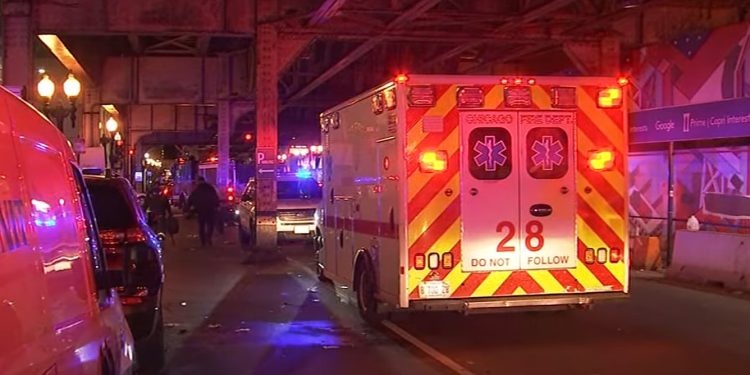
STORY YOUMISSED




A violent confrontation on a CTA train platform spilled into a railcar Saturday night.
The incident left two women injured and a suspect in Chicago police custody.
Officers responded to the scene in the 100-block of West Lake Street at approximately 7:52 p.m.
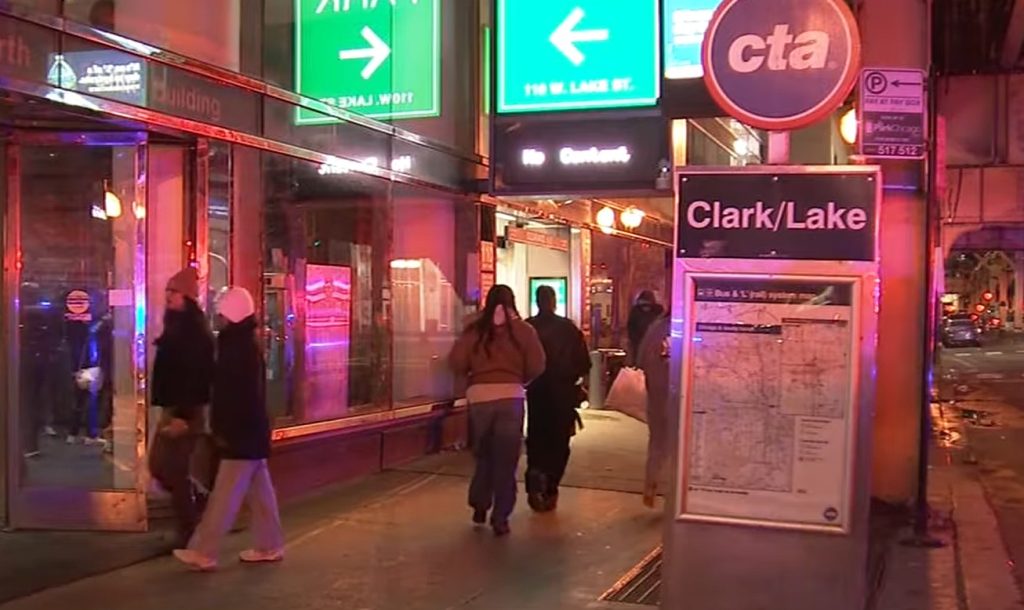
Investigators say the trouble began with a physical altercation on the station platform.
A 43-year-old woman and a 23-year-old woman were involved in a dispute with another female.
Seeking safety, the two victims boarded a waiting train to distance themselves from the aggressor.
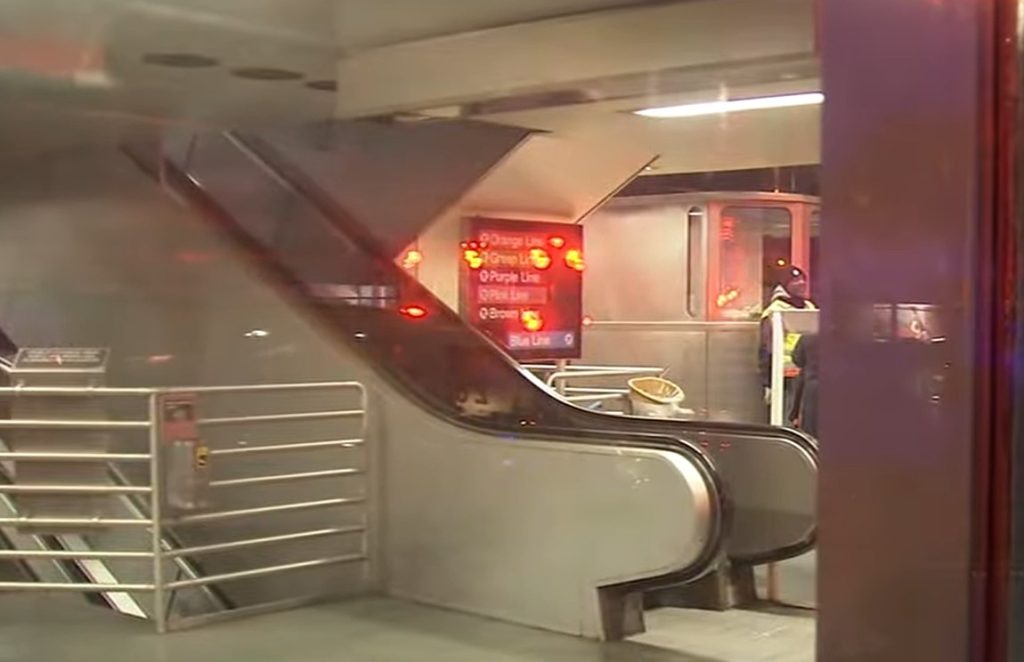
However, the female suspect followed them onto the train car.
A second altercation broke out once the doors closed and the train was in motion.
During this second fight, both victims suffered lacerations to their arms and hands.
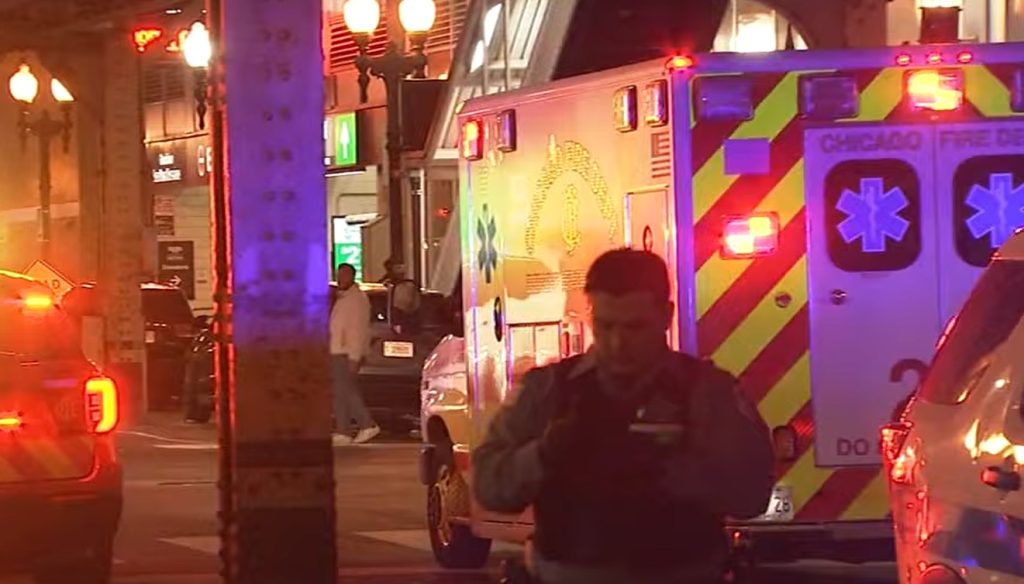
The victims were able to exit the train and seek emergency assistance once it reached the next stop.
First responders arrived quickly to provide medical aid to the bleeding women.
Paramedics transported both victims to Northwestern Memorial Hospital for treatment.
Hospital staff listed both women in good condition as of Sunday morning.
Police officers located the female suspect at the scene and took her into custody immediately.
Area Three detectives are currently leading the investigation into the motives behind the attack.
Charges against the suspect are pending as authorities review surveillance footage from the CTA cameras.
Recent History
The Loop has seen a spike in high-profile transit incidents over the last several months.
This specific stretch of West Lake Street serves as a major hub for the Green, Pink, and Brown lines.
Commuters have expressed growing concerns regarding safety on the “L” during evening hours.
Just last month, a similar physical dispute led to a platform disruption only three blocks away.
Chicago Police have recently increased patrols in the downtown sector to combat transit-related crime.
Community activists continue to call for more visible security personnel on individual train cars.
The CTA maintains that it is working closely with the CPD to monitor “hot zones” across the rail network.