
STORY YOUMISSED



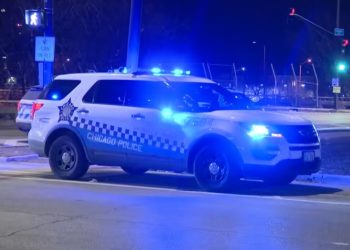
The city of Chicago is navigating a complicated and tense safety landscape as the mid-way point of 2026 approaches.
Recent data released by the Chicago Police Department reveals a sharp contradiction between last year’s historic drops and a troubling spring surge in gun violence.
To understand the true state of public safety, one must look directly at the latest Chicago crime mapping tools that track emergency calls from the Lakefront to the city limits.
Here is the reality of what the data shows right now.
During the final months of last year, local officials celebrated a massive milestone as the city of Chicago crime rate for violent offenses hit a decade low.
That downward trend gave communities a brief moment of breathing room after years of heightened anxiety following the pandemic.
The scene told a different story as the calendar turned to January.
According to official crime statistics of Chicago covering the first four months of this year, homicides across the city rose by more than 8% compared to the same period last year.
The Chicago Police Department officially recorded 130 homicides between January 1 and April 30, up from 120 during those same months last season.
April proved particularly brutal for local communities, with murders spiking by 39% in a single 30-day stretch.
Analyzing the New Chicago Crime Stats and Violent Crime Trends
A closer look at the updated Chicago area crime map reveals that the burden of this violence is not shared equally across our 77 official neighborhoods.
What the Crime Statistics of Chicago Reveal About Neighborhood Safety
The historic West Side neighborhood of Austin continues to lead the entire city in total reported crimes and violent incidents, a position it has held for 15 consecutive years.
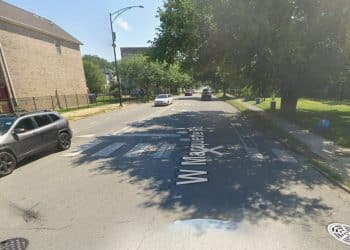
Longtime residents walking near the intersection of Central Avenue and Madison Street say they feel the tension rising every time the thermometer ticks upward.
Yet, the updated Chicago crime stats show that traditional boundary lines are shifting in unexpected ways.
The North Side enclave of Andersonville, famous for its vibrant shopping district along Clark Street, recently recorded its highest level of violent crime in a generation.
Down south near the University of Chicago campus, neighborhoods like Hyde Park and Jackson Park also registered significant increases in overall property offenses and physical altercations.
Even downtown transit hubs are seeing heavier police deployments as the city tries to get a handle on localized flare-ups.
Street-level data shows that overall thefts, carjackings, and residential burglaries dropped significantly over the winter months.
Armed robberies involving firearms plummeted by 33% citywide during the first third of the year, providing a rare piece of good news for commercial corridors.
The primary driver of anxiety for local families remains the persistent availability of illegal firearms on our neighborhood streets.
Chicago police officers recovered 3,096 illegal firearms during the first four months of the year, which averages out to nearly 29 guns taken off the streets every single day.
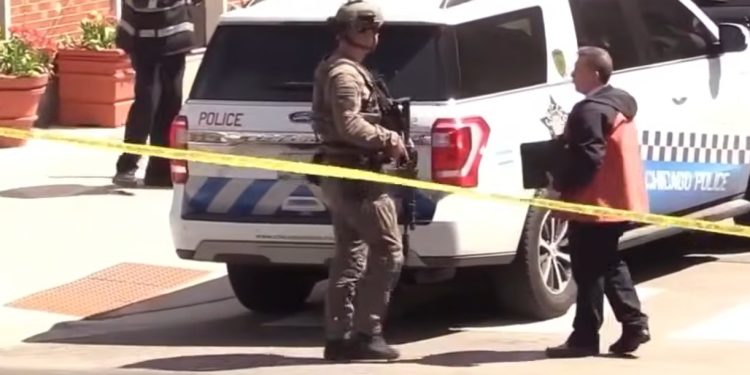
The human cost behind these cold statistics became painfully clear last month during a chaotic incident at Swedish Hospital on the North Side.
An armed suspect opened fire inside the medical facility, killing veteran CPD Officer John Bartholomew and critically wounding Officer Nelson Crespo.
That tragic event pushed the number of shootings directed at police officers up by 43% compared to last year’s baselines.
The rising danger to both civilians and law enforcement has ignited a fierce political debate regarding pre-trial release policies and electronic monitoring programs.
Local labor leaders argue that violent offenders are being returned to the streets too quickly, creating a revolving door that terrorizes working-class blocks.
City administration officials maintain that long-term safety requires a dual investment in aggressive policing and root-cause community outreach programs.
How to Use the Official Chicago Crime Map to Track Your Route
As the summer months arrive, community groups along the South and West sides are launching grassroots initiatives to keep teenagers safe and engaged.
Block clubs in neighborhoods like Englewood and Garfield Park are organizing neighborhood watches, clean-up days, and outdoor youth sports leagues to reclaim public spaces.
Chicago Crime Mapping: Identifying Street-Level Hotspots
Safety experts recommend that residents stay highly aware of their surroundings, particularly during late-night hours near transit stations or unlit side streets.
Checking the Chicago Area Crime Map Before Traveling After Dark
Utilizing the public Chicago crime mapping portals can help families understand specific patterns and hot spots on their daily commute routes.
Local district commanders emphasize that simple habits, like locking vehicle doors and traveling in groups after dark, remain highly effective deterrents against opportunistic street crime.
Understanding the Chicago Crime Rate: Current Realities and Safety Alerts
The city of Chicago crime rate will likely dominate headlines and political debates as the summer heat tests the boundaries of our public safety infrastructure.
Are Specific Chicago Crime States of Emergency Helping Local Neighborhoods?
For the people living on the ground from Rogers Park to Hegewisch, the numbers on a spreadsheet matter far less than the actual peace of mind they feel when walking down their own front steps.
Our investigative team will continue to track the weekly statistics of crime in chicago to provide transparent updates directly from the pavement.
This video provides an on-the-ground look at the specific Chicago Police Department statistics and neighborhood updates driving the public safety debate this year.