
STORY YOUMISSED




Afrobeat legend Fela Anikulapo Kuti may have lived like a king in the hearts of fans and freedom fighters across the world, but according to his grandson, Made Kuti, the iconic musician died with little to his name financially.
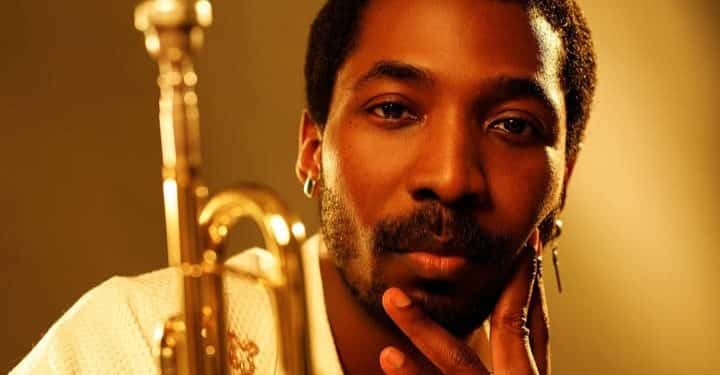
Made, a fast-rising musician and saxophonist, made the emotional revelation during a recent episode of the Tea With Tay podcast, hosted by actor and media personality Taymesan. In the candid conversation, Made painted a powerful yet sobering picture of his grandfather’s final years, highlighting his unflinching generosity, anti-materialistic values, and the often-overlooked struggles behind the fame.
“He was broke. Fela died poor… He had the kind of money that could have bought a whole street, but when he comes back from a show in Kalakuta, he will open a box of money and say anyone who needs it should take it,” Made said.
He further explained that Kalakuta Republic, Fela’s self-declared commune and performance space in Lagos operated on an open-door policy where virtually anyone could walk in off the street, and walk out with help, food, or money.
“Anybody from the street could walk into Fela’s house. It was an open house policy, anybody could walk in and walk out at any time,” he added.
Fela’s deeply egalitarian beliefs extended even to his own family. According to Made, Fela intentionally stripped away any special treatment from his children.
“His children were not allowed to call him ‘dad’ or ‘father’ because he didn’t want any preferential treatment for them. Everybody was equal in Kalakuta,” he revealed.
Made also noted that despite his grandfather’s larger-than-life status in Nigeria today, he was often more appreciated abroad than he was at home while alive.
“During Fela’s lifetime, he was appreciated more internationally than he was locally,” he said, echoing a sentiment that resonates with many African legends who only receive full recognition posthumously.
Fela Anikulapo Kuti, known for his fearless activism, defiant lifestyle, and groundbreaking music, died on August 2, 1997, at the age of 58. Nearly three decades later, his legacy continues to inspire new generations of artists and revolutionaries alike, proving that while he may have died poor in cash, he left behind a priceless cultural treasure.