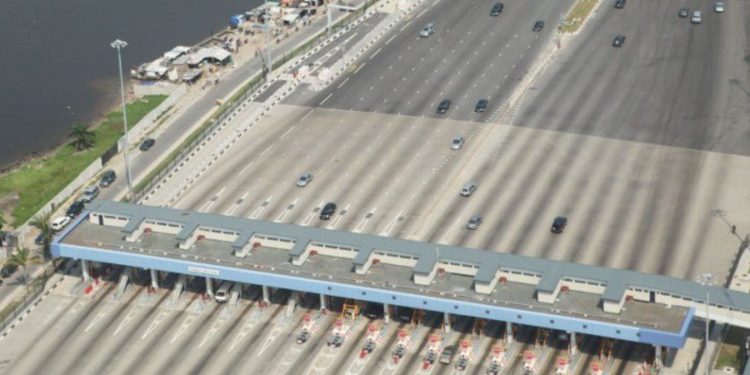

The Lagos State Government is decisively restructuring the chaotic Lekki–Epe Corridor transportation system, replacing unregulated movements of Danfo and Korope buses with an orderly, high-capacity service. The project is part of the state’s Bus Reform Initiative (BRI) and is designed to eliminate traffic disorder, security risks, and confusion along the economically vital artery.
Commissioner for Transportation, Mr. Oluwaseun Osiyemi, affirmed that the reform is a commitment to protect lives and deliver a transit system worthy of a megacity, stating, “This reform is not merely an upgrade. It is a commitment to protect lives, restore order, and deliver a transport system worthy of a megacity.”
The Ministry of Transportation and LAMATA have conducted extensive engagement with all key stakeholders, including NURTW, RTEAN, informal operators, and community leaders. This process was designed to ensure the restructuring is collectively owned and that no stakeholder will be left behind.
The reform will introduce regulated bus operations using 229 new high- and medium-capacity buses in the initial phase, with plans to extend services to Epe. Informal operators like Korope that meet safety standards will be integrated into feeder routes, while unsafe vehicles will be phased out from major highways.
Lagosians can anticipate a safer, cleaner, and more reliable public transportation experience. Key changes include:
-
Cashless Payment: Mandatory, seamless fare payment through the Cowry card system.
-
Reduced Congestion: Improved travel times due to streamlined movements and high-capacity buses.
-
Standardization: Clearly demarcated routes, standardized bus stops, and certified, trained operators.
Implementation is currently active, with ongoing vehicle inspections, operator training, and public sensitization. The state plans to replicate this perfected pilot project statewide, setting a new standard for Lagos transport.