
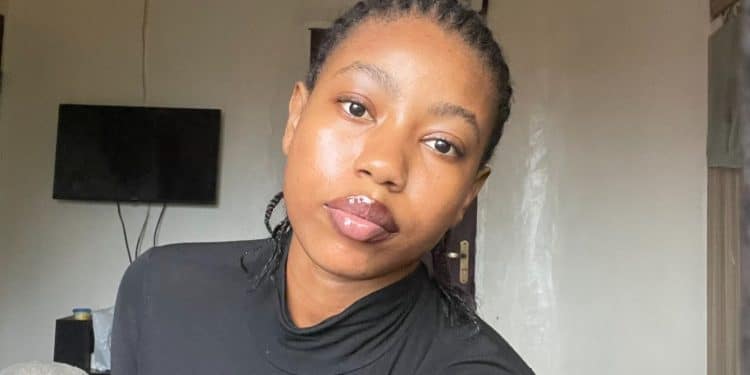




Social media can turn a simple post into a huge storm overnight. That’s what happened to Vivian Okeke, a woman from Nigeria.
Back in April 2025, she tweeted something on X (what used to be Twitter) that many people saw as supporting the idea of making up rape accusations to “teach men a lesson.”
The post spread like wildfire, and people got really upset. Even though Okeke has said sorry more than once and changed her username, the anger hasn’t died down.
This story brings up big questions about what we say online, free speech, and how it affects real victims of sexual assault.
What Started the Whole Thing
On April 28, 2025, Okeke wrote: “Personally think false rape accusations is the best option to getting these men, being taught a significant life lesson.” Lots of folks took this as her saying it’s okay to lie about something as serious as rape.
Critics pointed out that ideas like this make it harder for actual rape survivors to be believed and spread bad stereotypes. One person on X said, “Vivian Okeke has stamped herself as the poster child of false rape accusations on X. Unfortunately for her, the internet will remind her forever.”
After the backlash hit, Okeke switched her X handle to @theyenvyvivian. Her pictures started showing up everywhere online, often with warnings like, “Do not forget. Do not let the name change fool you. Vivian Okeke – The false rape accuser.”
Some even went after her family, threatening to make up rape claims against her relatives. This turned the online talk into real harassment.
Saying Sorry and Trying to Fix It
Okeke didn’t stay quiet. She posted apologies several times. One from April 30, 2025, said: “Inserting again an apology tweet. I did after I regained my insight of the damage and life long consequences that could cause to anyone (specifically the men in general). Here is me typing again ‘I’m very sorry to all men particularly that tweet triggered so bad. I AM SO SORRY.'”
But even with these apologies, the issue popped up again in September 2025. Users like @ThaBoyYom put her on lists of people who supposedly push false claims, saying, “Vivian Okeke – openly stated she plans to accuse men falsely of r@pe.” Okeke has insisted that her tweet was just a bad mistake and not something she planned to do for real.
Things Get Serious with Legal Warnings
By October 8, 2025, Okeke had had enough. She posted that her lawyers were getting ready to sue. Her words: “My lawyers are cooking 🔥 as from Next week. BF, U comment anything ab R#PE for my CS, 🫵 make sure say UR papa guide well. if not I go sue UR generations D amount of money DEM never hear about, or made or could make in their lives, or else U bring prove, if I did dat to UR papa📌.”
She was aiming at people who called her a false accuser, saying they needed proof or they’d face court.
People responded in all sorts of ways. Some cursed her and her lawyers, like one who said, “You, your lawyer and parents. it will never be well with you.” Okeke hit back at nameless accounts, calling them out for just trying to get likes and views.
How This Fits into Bigger Problems
Okeke’s story isn’t the only one like this in Nigeria. Back in 2023, Nkechi Bella Nwoko made a “joke” accusation against her friend Richard Ebuka Osita, then said sorry later. Another case that year involved Mike and Obidi from a Tinder date that led to rape claims, a lost job, and apologies. These show how quickly things can go wrong.
People who know the law and regular users say false claims hurt innocent folks and make it tougher to trust real stories. A lawyer told Bestlagos.ng: “People get angry when we state as Legal Practitioners that not all rape cases are true.” Another post warned, “Issues like this make mockery of real victims of rape and sexual violence.”
What People Are Saying Online
Opinions on X are split. Some stand up for Okeke, saying the backlash has become bullying. One user noted, “Threatening to rape people is wrong no matter the context.” Others think she should face the heat, with advice like, “That Vivian Okeke girl… the best thing for her to do is to finally leave this app.”
The talk also touches on tribal differences and how men and women interact in Nigeria. A TikTok video brought up ethnic issues, but said to give people the benefit of the doubt. In the end, many agree that what you post online can stick around and cause trouble, as one person put it: “Your digital footprint today could become your regret tomorrow.”
What This Means for Nigeria and Lagos
In a busy place like Lagos, where everyone uses social media, this hits close to home. Folks worry about violence against women and staying safe online. BestLagos.ng also talked to local groups who say we need better education on consent and how to report crimes. They point out that fake stories take attention away from real problems, which don’t get reported enough in Nigeria.
Okeke’s situation is a reminder for everyone. Whether she goes to court or keeps apologizing, it’s not over yet. Meanwhile, people on X keep sharing, arguing, and warning that the web doesn’t forget easily.