
STORY YOUMISSED




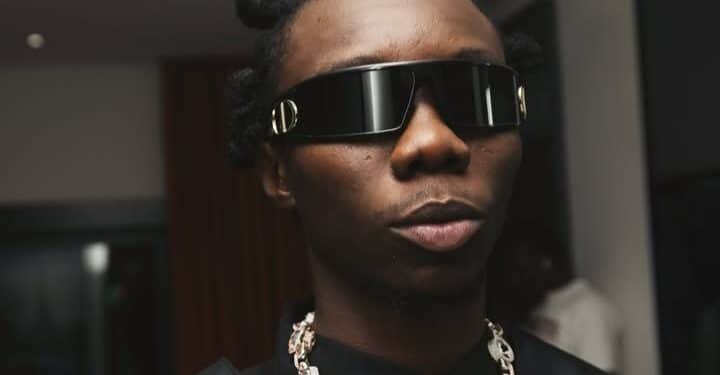
As the glitz of the Nigerian music industry continues to shine globally, some insiders are raising serious alarms about the integrity of the numbers fueling that glow. One of the loudest voices right now is rapper Blaqbonez, who has joined a growing chorus of artists calling out the dark underbelly of the game: streaming farms.
In a bold statement shared via X, Blaqbonez didn’t hold back as he criticized the widespread use of stream manipulation; the practice where artists or their teams inflate play counts using bots or paid automation services to boost visibility and chart positions.
Quoting fellow artist Magixx, who had earlier fired shots at unnamed colleagues with the words:
“Y’all faking your numbers I hope you sleep well at night… keep deceiving your family members,”
Blaqbonez took it a step further, pointing to the long-term impact on the industry’s credibility.
“The irreversible damage we did to our industry, one day it’d finally come crumbling down, for now let’s keep acting like the charts mean anything more than a showcase of the people who can afford to buy it, it’s like iTunes in the 2000s all over again.”
His statement struck a nerve both for its honesty and its pessimism. Blaqbonez is essentially sounding the alarm: that the integrity of Nigerian music is being hollowed out from within, and the shiny success stories built on manipulated streams may lead to a larger collapse if not checked.
A Growing Concern in the Industry
Stream farming isn’t a new topic, but it has become more controversial as chart positions and streaming milestones increasingly determine an artist’s value, at least on the surface. The danger, as artists like Blaqbonez are pointing out, is that these artificial numbers don’t reflect true fan engagement, cultural impact, or musical quality.
It’s not just about bragging rights, it affects brand deals, booking fees, and even award nominations. And in a crowded market like Nigeria, the pressure to keep up with perceived success can push even talented musicians into questionable practices.
Blaqbonez’s warning likens today’s chart manipulation to the era of iTunes in the 2000s, when buying your way to the top of digital charts became a widespread trick in the industry. Back then, some artists were caught bulk-purchasing their own singles just to climb the rankings.
What’s at Stake?
For emerging artists who don’t have deep pockets or tech-savvy teams, the streaming farm trend creates an unfair playing field. And for fans, it raises doubts about what music is truly resonating versus what’s just been artificially inflated.
The big fear, as Blaqbonez hints, is that the entire system may collapse under the weight of its own deception.
Whether the industry listens to his warning remains to be seen, but one thing is clear: the conversation around transparency and authenticity in music success is no longer just a whisper, it’s a battle cry.