

STORY YOUMISSED




Kemi Adetiba has always been known for her bold storytelling, but To Kill A Monkey might just be her magnum opus.
Marking her first project outside the revered King of Boys universe since 2018, To Kill A Monkey arrives as an eight-part Netflix original series; a gritty, emotionally rich, and unapologetically Nigerian thriller that dives deep into the underbelly of modern society.
It is a cinematic triumph that unpacks cybercrime, grief, loyalty, and betrayal, all set against the pulsating backdrop of Lagos.
From its intense blood oath opening scene to its final harrowing frame, To Kill A Monkey is a relentless rollercoaster, slow-burning, layered, and devastatingly real.
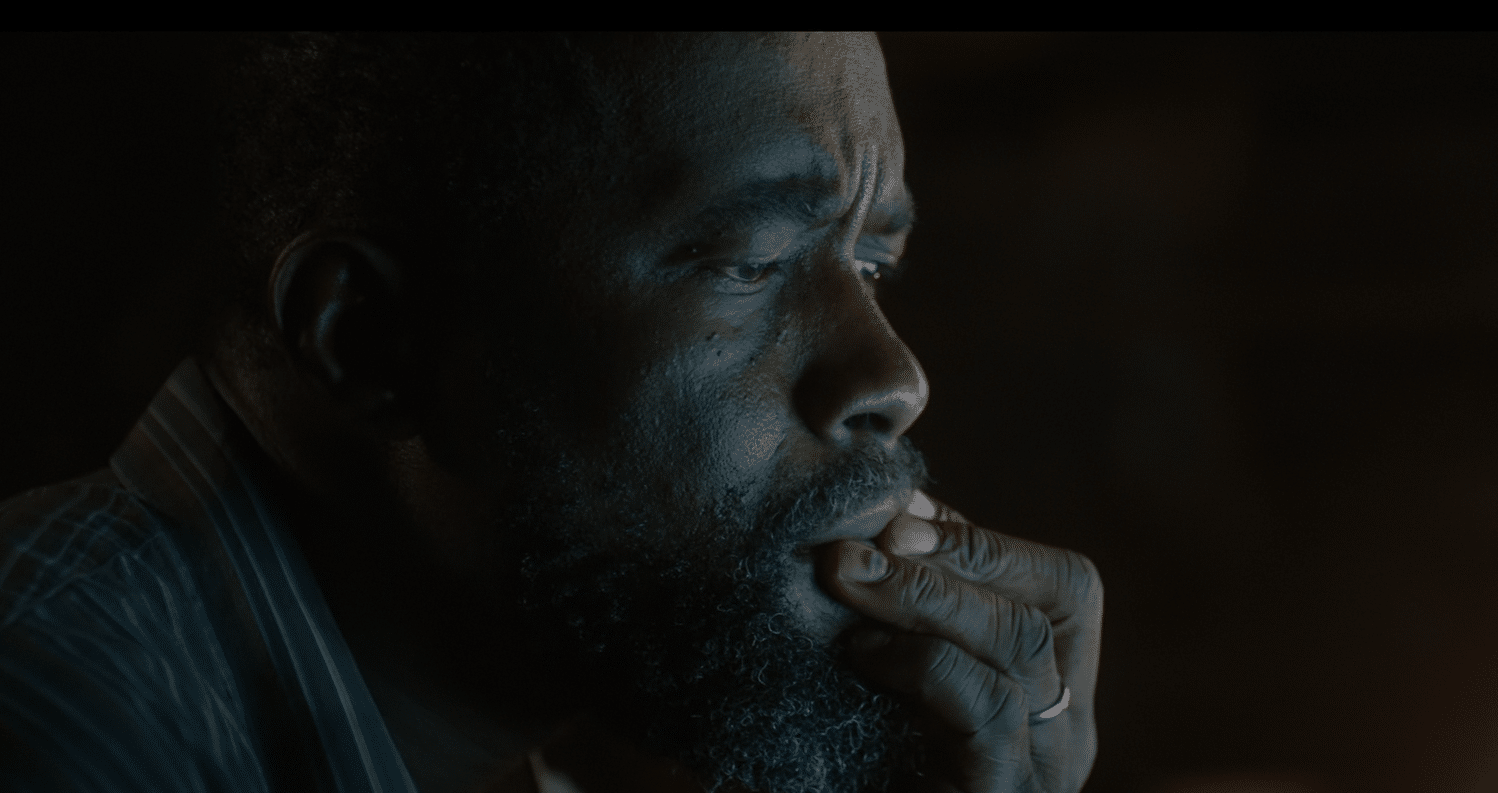
Plot: Lagos, Loyalty, and the Lure of Crime
The story kicks off with a secretive ritual. A group of teenage boys swear loyalty, bound by blood and brotherhood to serve an unseen figure.
This foreshadowing act of allegiance sets the tone for a tale where loyalty becomes currency and betrayal its most costly sin.
We meet Efe, a man worn down by life. Once a promising programmer, he’s now drowning in debt, reeling from his mother’s death, and trying to save his pregnant wife with no money for her emergency surgery.
In a desperate move, he sleeps with his boss for money, but still ends up empty-handed. Things spiral further when he boards a “one chance” bus and loses everything. Efe is cornered ….. when life squeezes, people break.
On a parallel track is Motunrayo (Mo), played with incredible intensity by Bimbo Akintola, a brilliant officer at the Nigerian Cyber Crimes Commission.
Mo is fresh off a career high when tragedy strikes: a car crash wipes out her entire family. She becomes haunted literally and figuratively and spirals into the arms of grief and PTSD.
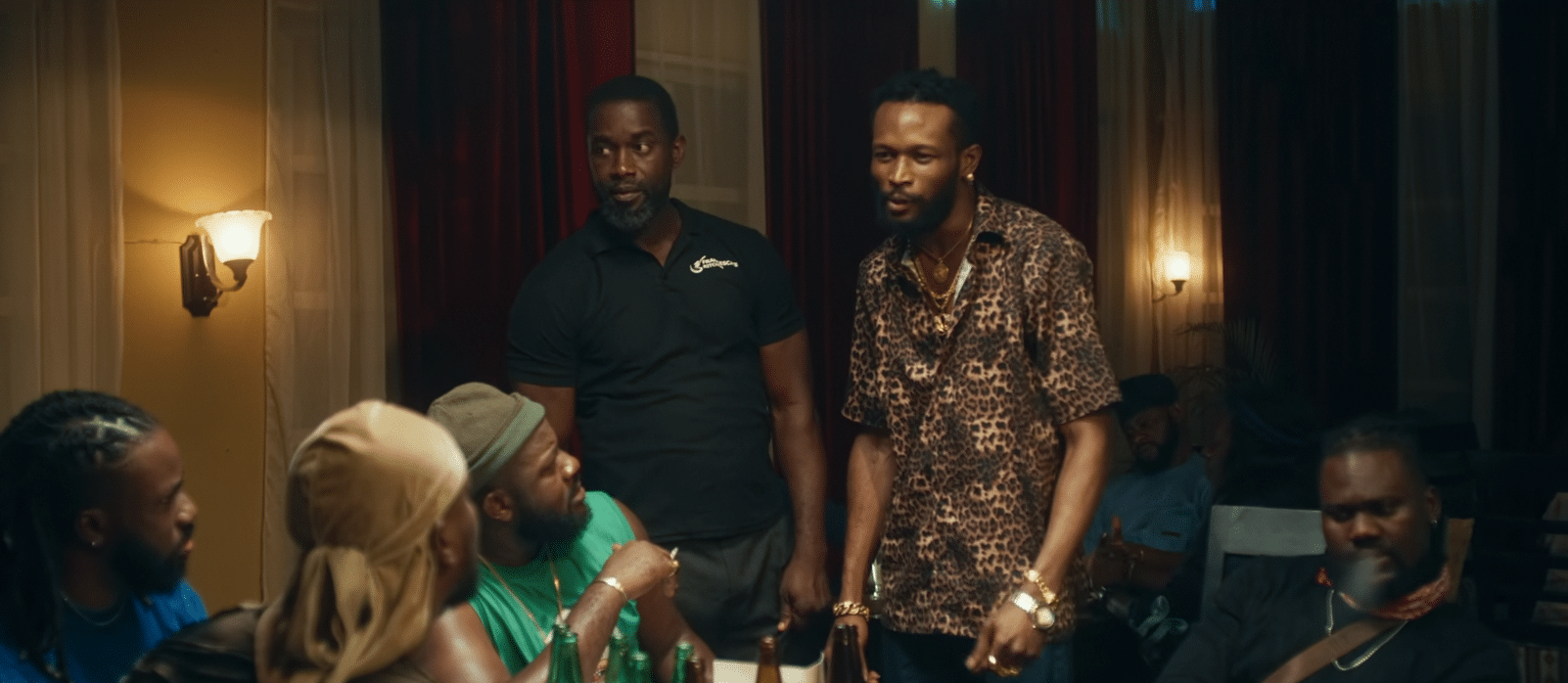
Eventually, Efe crosses paths with Oboz-Da-Boss (Bucci Franklin), a Lagos big boy running a logistics front with a full-blown fraud syndicate underneath. Years ago, Efe saved Oboz’s life at university. Now, Oboz returns the favour, clearing his debts and offering him a role in his cybercrime empire.
At first, Efe resists. He believes he’s not cut out for the criminal life. But when he loses his only laptop (swapped for wood, no less), he swallows his pride and asks for “soap,” a Yahoo-boy initiation.
From here, Efe transforms. With his tech knowledge and AI expertise, he becomes the brains behind Oboz’s thriving syndicate. The money rolls in. Four years later, Efe is a different man, flashy car, big mansion, two kids, and a sidepiece named Sparkles. But wealth doesn’t buy peace.
At his daughter’s birthday, an assassination attempt nearly ends her life. That same night, someone tries to take out Oboz. The culprit? A ghost from the past: Teacher, a ruthless kingpin demanding a 30% cut like Lagos taxes.
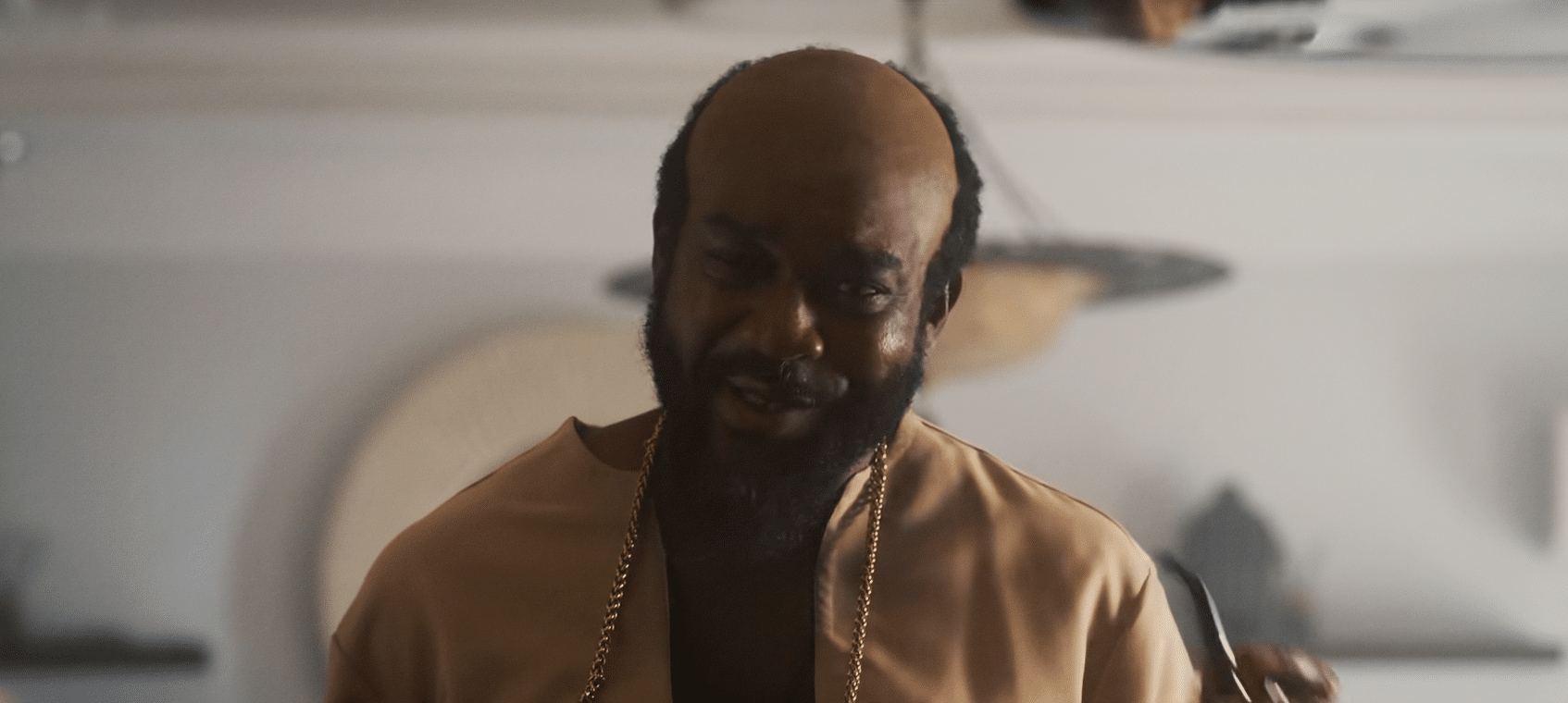
Efe seeks a peaceful resolution. Oboz chooses war, killing the Teacher’s granddaughter in retaliation. It’s a move that ignites an all-out turf war.
As Mo digs into a case dubbed “The Monkey Case,” she uncovers connections that lead straight to Efe and Oboz. What follows is a tragic unraveling: friendships turn sour, families fracture, and trust becomes a casualty of the chaos.
Brotherly: The Slang That Spoke Volumes
One of the most poignant threads running through To Kill A Monkey is the repeated use of the word “brotherly,” a slang term between Efe and Oboz. On the surface, it reads like street banter, casual, almost comical. But beneath the slang lies something deeper.
“Brotherly” becomes a recurring symbol of their loyalty, their shared trauma, and the trust they built from their youth. It’s a shield, a language of unspoken understanding, and a promise between two men who’ve walked the tightrope between survival and success together.
As the story progresses, the word transforms. What once felt endearing begins to sting. Especially when betrayal creeps in and the brotherhood fractures, hearing “brotherly” in a tense scene feels like a knife twisting in the gut.
It becomes ironic, heartbreaking, and brutally poetic.
It’s not just a word, it’s a code, a bond, and eventually, a casualty of ambition and ego.
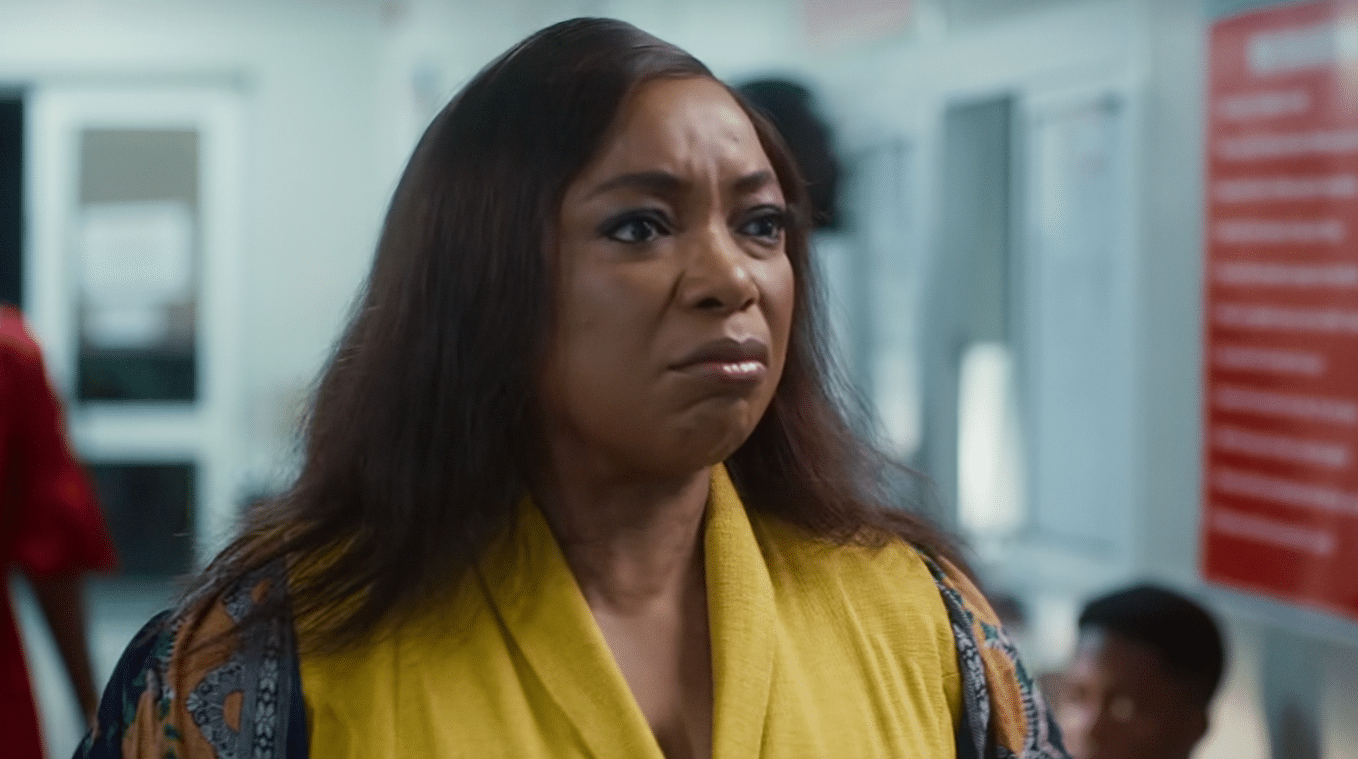
Cast: Acting Masterclass All Round
Kemi Adetiba once again proves she doesn’t chase stars, she builds them. The casting in To Kill A Monkey is surgical. Every face feels chosen with purpose, every performance calibrated with emotional precision.
William Benson leads as Efe and gives a breakout and Stella performance of the year. He doesn’t just act, he bleeds. Every twitch of his eye, every stumble in his voice, sells a man stretched to breaking point and slowly reshaped by guilt and greed. He got lost in the character and forgot he was acting at some point.
Bucci Franklin as Oboz is unforgettable. The accent, the posture, the duality of menace and brotherhood. He plays Oboz like a volcano; calm on the outside, molten chaos underneath. His unraveling, especially in the final act, is shattering.
Bimbo Akintola is, unsurprisingly, a powerhouse. As Mo, she portrays grief not as a singular emotion but as a spectrum from numbness to rage to eerie clarity. Her breakdowns are raw, her quiet moments haunting.
Lilian Afegbai as Idia brought the perfect dose of sass and spark. Her energy lit up every scene, and that accent? Flawless. She didn’t just play the role, she owned it.
Stella Damasus, Sunshine Rosman, and Chidi Mokeme round out a cast that simply delivers.
Mokeme’s turn as Teacher, cold, calculated, and deadly, was a casting masterstroke. You feel his presence long before he enters a scene. Every time he appeared on screen, the tension tightened. He had that rare kind of presence that shifts the air in a room. Mokeme didn’t just play The Teacher, he embodied the threat, the order, the storm brewing beneath the chaos. That casting choice didn’t just elevate the character, it anchored the entire narrative.
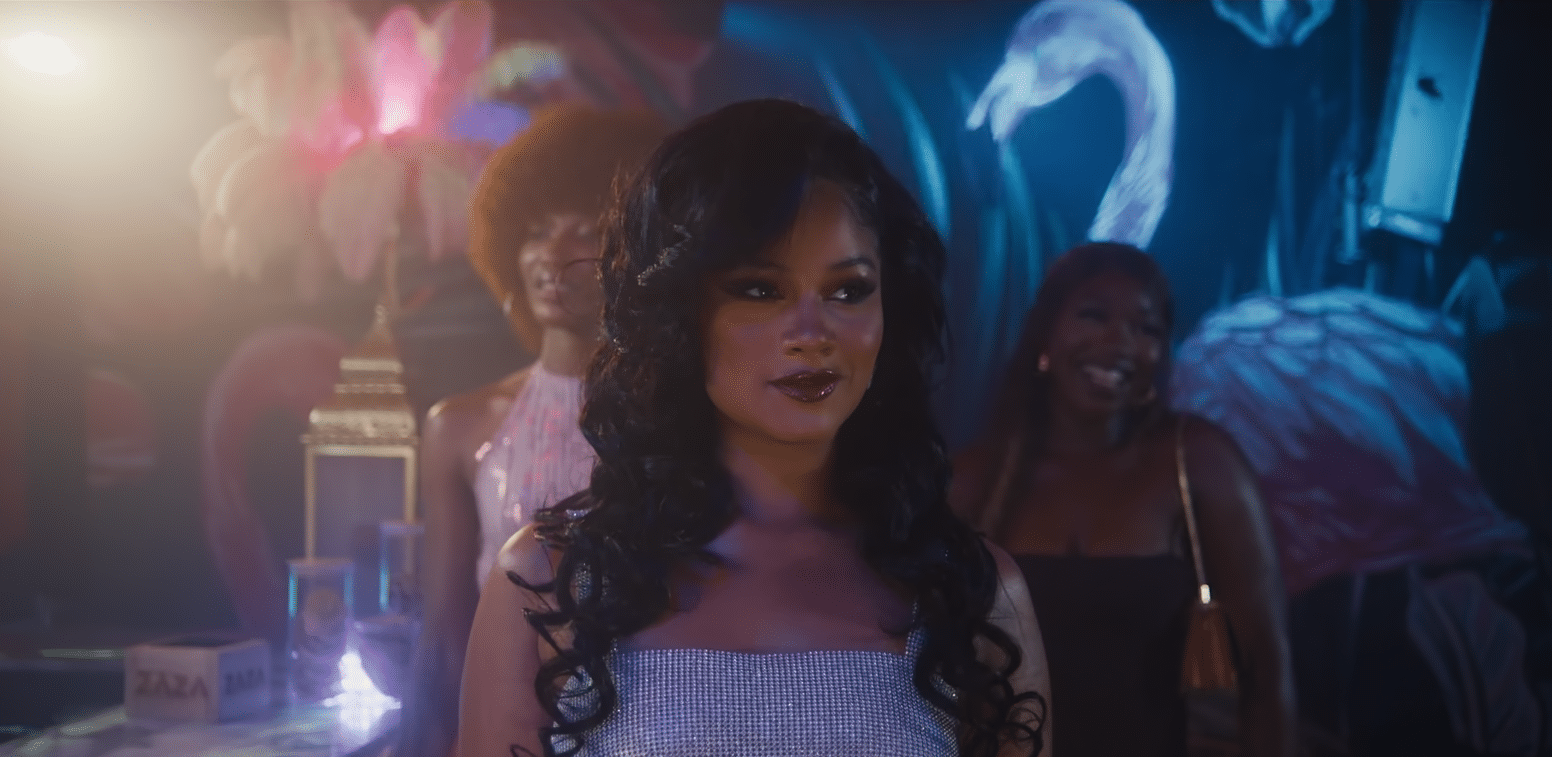
Language and Cultural Depth
The film’s use of language is a triumph. From smooth, textured Pidgin to crisp Urhobo and eloquent Bini, every dialect breathes authenticity into the film. These aren’t just conversations, they’re cultural signposts.
You feel the streets of Lagos in the rhythm of the language. You feel Nigeria’s tension in the subtext. You understand class, tribe, and power dynamics, all from how characters speak or refuse to.
Final Take: This Is How You Tell a Nigerian Story
To Kill A Monkey is Kemi Adetiba at her boldest, most grounded, and most fearless. This isn’t another glossed-over Naija drama with sugar-coated endings. This is layered, heavy, and heartbreaking storytelling.
It’s the kind of story that makes you reflect, not just on crime, but on the cost of survival in a broken system. On how people make horrible choices, not because they’re evil, but because they’ve run out of good ones. It asks you: If you had no options left, how far would you go?
Kemi’s ability to turn everyday realities like cybercrime, economic pressure, and grief into compelling narrative gold is unmatched. She doesn’t use witchcraft or rituals to make her story fly. She uses truth.
In the end, To Kill A Monkey is more than a thriller. It’s a mirror. A study of power. A masterclass in character development. And perhaps, most of all, a tragic love letter to loyalty signed, sealed, and shattered by the word “brotherly.”