



WASHINGTON — The Trump administration launched a sweeping effort on Thursday to restrict gender-affirming medical care for minors across the United States.
The Department of Health and Human Services (HHS) unveiled new regulatory proposals that would cut federal funding for hospitals providing these treatments to children.
Key Changes to Federal Funding
The new rules target Medicaid and Medicare funding, the nation’s largest health programs.
Under the proposal, any hospital that provides puberty blockers, hormone therapy, or surgical interventions to minors could lose all federal financial support.
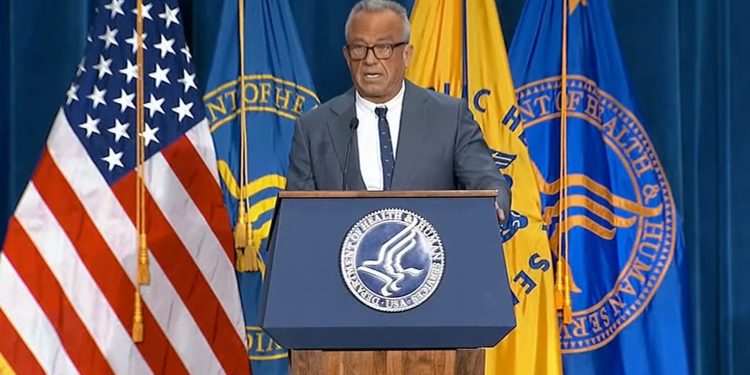
Health Secretary Robert F. Kennedy Jr. defended the move during a news conference, calling the procedures “malpractice” rather than medicine. “Sex-rejecting procedures rob children of their futures,” Kennedy stated.
Impact on States and Hospitals
While nearly 27 states already have bans in place, these federal rules would impact the remaining states where the care is currently legal. Because almost every U.S. hospital relies on Medicaid and Medicare payments, the threat of losing this funding would likely force providers nationwide to stop offering these services to youth.
The administration is also moving to:
-
Redefine Disability: Propose rules to exclude “gender dysphoria” from federal disability protections.
-
Regulate Equipment: The FDA issued warning letters to companies selling “chest-binding” vests, stating they are only legal for specific medical recoveries, such as after mastectomies.
Medical Community Reacts
Major medical organizations, including the American Medical Association and the American Academy of Pediatrics (AAP), strongly oppose the administration’s actions.
“These rules are a baseless intrusion into the patient-physician relationship,” said Dr. Susan Kressly, president of the AAP. Experts warn that removing access to evidence-based care could put the mental health and lives of transgender youth at risk.
What Happens Next?
These proposals are not yet final.
The federal government must now enter a “rulemaking process,” which includes a period for public comment.
Legal challenges from civil rights groups are expected immediately, which could delay or block the rules from taking effect.